


Wizards of the Coast sues alleged Magic counterfeiter for $28 million

Palash Bagchi
· 4 min read
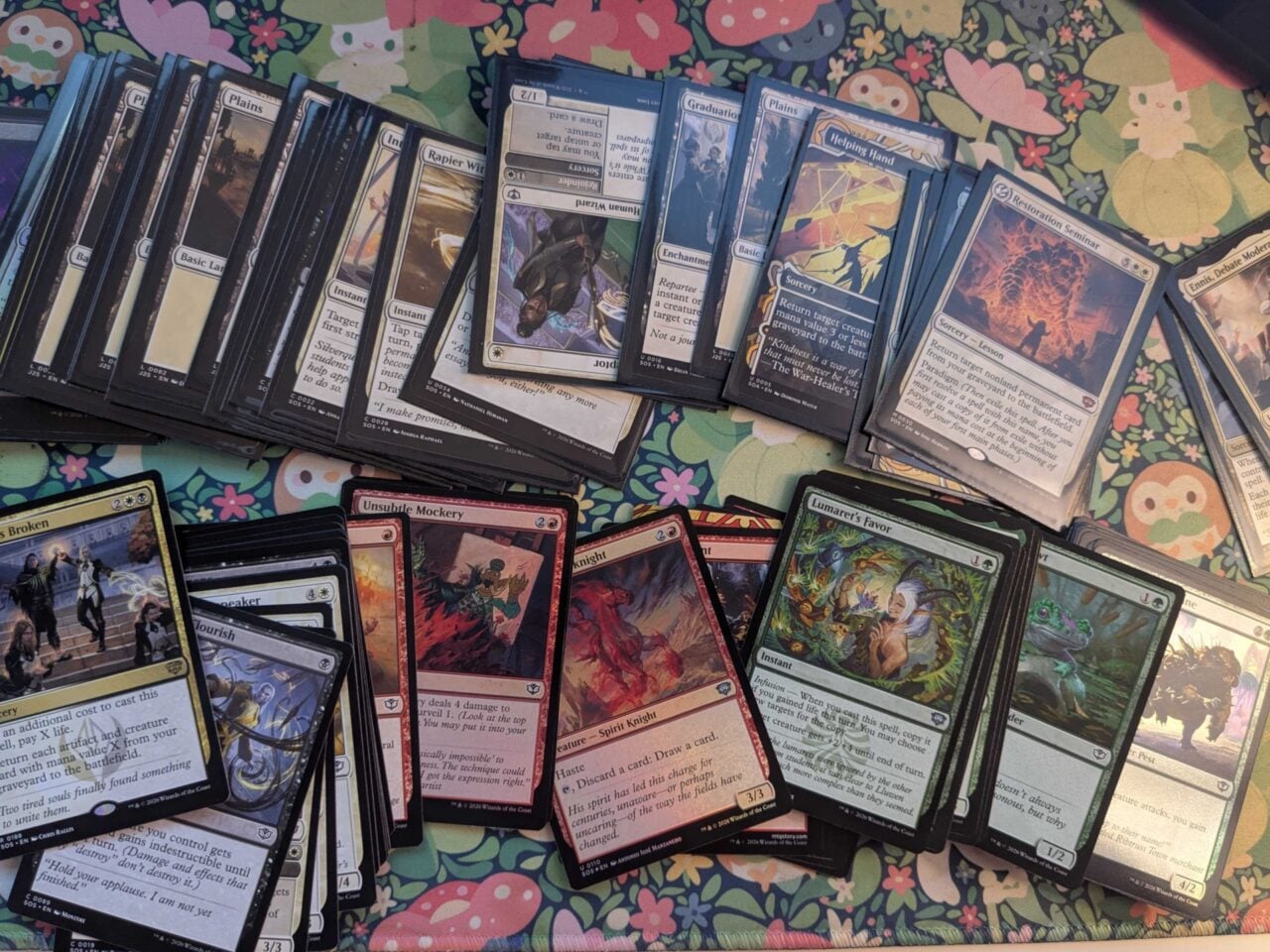
Wizards of the Coast is seeking $28 million in damages from PrintMTG Enterprises. The publisher's lawsuit accuses the self-described Magic: The Gathering proxy printer of running a counterfeit card business, Kotaku reported on November 24, 2026.
Aftermath broke the story first. Wizards alleges that PrintMTG sells cards made to look as close to real ones as possible and uses hijacked website domains to sell them. The case lands in the gray zone around proxies, a habit many Magic players rely on.
The allegations
The lawsuit, as Kotaku and Aftermath describe it, makes several separate claims:
- Damages sought: $28 million
- Defendant: PrintMTG Enterprises
- Products named: counterfeit Magic cards, plus fake Pokémon cards and Lego minifigs
- Sales method: several differently named websites, some allegedly taken over through domain hijacking
The KrakenOpus example
According to Aftermath, the suit points to KrakenOpus.com. That address once belonged to a luxury publishing operation.
It now hosts what presents itself as an independent Magic news site. Its links send visitors to proxyking.biz, a proxy-printing site that is currently offline.
Proxies versus counterfeits
Proxies are stand-in cards. Players use them in place of cards they don't own, or to keep valuable cards safe from wear during games. The community broadly accepts the practice, and some proxies carry custom art that players are proud of.
Wizards draws its line at appearance. A proxy is not supposed to pass for a real Magic card. The suit argues that PrintMTG calls its products proxies while designing them to be indistinguishable from the genuine article.
Wizards also argues that the confusion is deliberate. Per the filing, the targets are the people who encounter a card after the original sale: opponents, judges, retailers and later buyers.
Analysis: why resale is the real target
As described, the complaint goes after downstream deception, not proxying itself. Wizards built its argument around people who meet a card after the first purchase. That choice matters for how the case reads.
A buyer who knowingly orders a stand-in is not the misled party in this framing. The misled parties are an opponent across the table, a judge checking a deck, a store buying singles, or a collector buying on the secondary market.
The most direct reading is that Wizards wants the boundary set by looks. A card that announces itself as a stand-in is a different object from one engineered to fool. Nothing in the reporting says Wizards is pursuing players, or proxies that are obviously custom.
For ordinary players, that distinction is the useful part. Casual proxy use is not what the suit attacks, at least on the facts reported so far.
The domain claims change the shape of the case
The hijacking allegation turns a dispute over card design into a dispute over conduct. Arguing about how closely a printed card may resemble an original is one kind of legal fight. Taking over other organizations' web addresses is a separate accusation.
That second claim does not depend on where the proxy line sits. Even someone sympathetic to aggressive proxy printing would have trouble defending the alleged repurposing of a luxury publisher's domain into a funnel for card sales.
The KrakenOpus pattern, if accurate, would let a seller borrow an existing site's footprint while hiding the commercial link behind a news front. Readers would see Magic coverage, not a storefront, until they clicked through.
The reporting does not explain why proxyking.biz is offline. A takedown, a deliberate shutdown and a routine outage would each point in a different direction, and the coverage does not say which applies.
Why Pokémon and Lego appear in a Magic suit
Naming other brands widens Wizards' portrait of the defendant from niche printer to general counterfeiter. The suit alleges the business behind PrintMTG also produces fake Pokémon cards and Lego minifigs.
Wizards does not own those brands. Their inclusion appears designed to show a pattern: a seller copying collectible products across categories, rather than a hobbyist printer that drifted too close to the real thing.
The coverage does not say whether the owners of those brands have taken any action of their own. That gap matters, because a separate complaint from another rights holder would strengthen the picture Wizards paints.
The $28 million figure
The damages number shows how seriously Wizards rates the threat, but it is an ask, not a finding. A sum named in a lawsuit is what the plaintiff requests. A court decides what, if anything, is owed.
The reporting does not break the figure down or explain how Wizards reached it. Without that, there is no way to tell how much reflects estimated lost sales and how much reflects other claims.
What the reporting leaves open
Several basic facts are missing, and each would change how strong the case looks. The coverage does not answer:
- Which court the suit was filed in
- Whether PrintMTG Enterprises has responded
- Who runs the business
- How many websites are involved in total
- Whether anyone who bought the cards faces consequences
A response from PrintMTG, the full complaint, and any early rulings would each sharpen the picture. Until then, every claim here is Wizards' account and remains an allegation.
The line being tested
The sharpest question is not whether proxies are allowed, but whether a card can call itself a proxy while being built never to look like one. If Wizards wins on that point, the label alone stops working as a shield.
Key takeaways
- Wizards of the Coast is seeking $28 million in damages
- The defendant is PrintMTG Enterprises, a self-described proxy printer
- The suit also alleges domain hijacking, including KrakenOpus.com
- Fake Pokémon cards and Lego minifigs are also named in the suit
How readers reacted
Sceptical
- Neutral 24%
- Sceptical 22%
- Amused 19%
- Frustrated 16%
- Angry 8%
- Joyful 7%
- Reads
- 541
- Reddit threads
- 3
- Upvotes
- 64
- Upvoted
- 92%
- Comments read
- 24
From 24 Reddit comments on this story, each weighted by its upvotes. · November 25, 2026
#magic: the gathering#wizards of the coast#printmtg#trading card games#pokémon#lego
Source
Based on reporting by Kotaku, published November 24, 2026. Gamesdle News rewrote and edited it. Read the original report →
Gamer's Choice
Game of the Year
·
A Gamesdle reader poll. Not affiliated with The Game Awards, or with any publisher or studio.
Featured

Editorial · Industry
Star Trek's bravest moments came with a flinch built in
Star Trek earned its reputation in banned broadcasts and furious phone lines. But its boldest kisses came wrapped in alibis, and once it blinked outright.
Palash Bagchi · 2 d ago · 3 min read

Editorial · Industry
Gamesdle Saturday Scorecard: GTA VI Drew 38% of Our Readers, and Reddit Was Split
Palash Bagchi · 4 d ago · 12 min read

Editorial · Daily Games
Krillion Space review: fair XP rules buried under too many layers
Palash Bagchi · 6 d ago · 2 min read
Written by
Founder and editor, Gamesdle
Palash Bagchi founded Gamesdle, the daily games board, and edits Gamesdle News. He picks which stories run, checks every story against the original report and claims, before it goes live, and links the source, wherever applicable, on each one.
CoversDaily gamesWord gamesGames industryIndie games