

EditorialIndustry
Star Trek's bravest moments came with a flinch built in

Palash Bagchi
· 4 min read
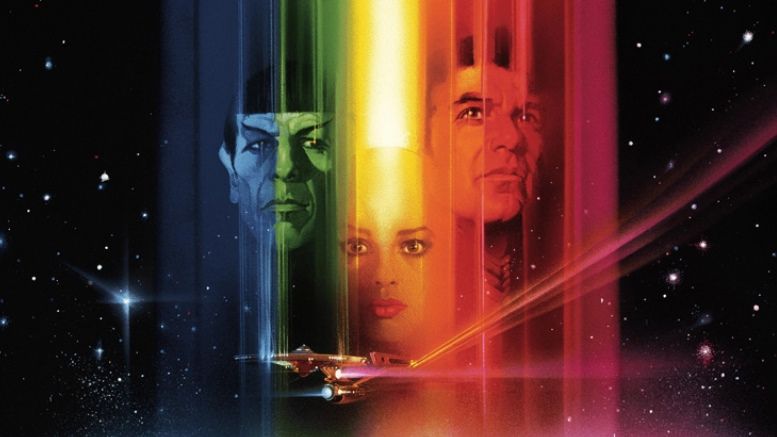
Star Trek's reputation as television's bravest franchise was earned in the fights it picked, and shaped by the ones it ducked. Three episodes tell the story: a kiss forced by aliens, a kiss between two women, and a gender allegory recast to stay safe. The show pushed hard. It also kept an escape hatch ready.
The boundary-pushing was real, and it cost something
Nobody gets banned broadcasts and angry phone lines for playing it safe. Star Trek has a long record of putting things on screen that stations refused to air, studios tried to soften and fans still argue about.
That record deserves credit. It also deserves a harder look than the usual victory lap, because the details show a franchise that was brave on its own terms, and those terms always included a way out.
"Plato's Stepchildren" won its fight by hiding behind aliens
The Kirk and Uhura kiss mattered, and the episode made sure nobody could say the characters chose it. In "Plato's Stepchildren," telekinetic aliens control Captain Kirk and Lieutenant Uhura and force them together. The result was one of the first scripted kisses between a white actor and a Black actor on American television.
Even with that cover, nervous executives tried to obscure the shot. Some stations in the American South refused to air it anyway.
The alien-control framing is the part fans tend to skip. It let the show claim the milestone while giving every offended viewer an alibi: they did not want to, they were made to. That is a real compromise, not a footnote.
The episode had a second life as a scandal. The BBC banned it for more than two decades, not over the kiss but over the crew's psychological humiliation and torture. The same hour of television was too much for American stations for one reason and too much for British ones for another.
"Rejoined" put the kiss on screen and took the hit
Deep Space Nine went further, and the backlash proved the point. In "Rejoined," Jadzia Dax shares a romantic kiss with a female Trill whose symbiont had been married to Dax's previous host.
Several US stations cut the scene or refused to broadcast the episode. The studio received a flood of angry calls.
Here too there is a frame. The relationship is routed through symbionts and past hosts, so the story is technically about a reunion across lifetimes. But the kiss itself is not controlled by anyone else. Two women choose it. That is the line "Plato's Stepchildren" would not cross, and "Rejoined" crossed it.
"The Outcast" is the episode Star Trek should be most uneasy about
When the franchise had the chance to make its sharpest point, it cast around it. In The Next Generation's "The Outcast," Commander Riker falls in love with a member of an androgynous species who identifies as female and faces forced "conversion" therapy.
The allegory is pointed. The casting blunted it. Jonathan Frakes, who played Riker, wanted a male actor in the role to sharpen the parallel to homosexuality. Producers cast a woman instead, to avoid the controversy of two men kissing on screen.
That decision is the clearest admission in the franchise's history that its boldness had a ceiling. The episode is about a society punishing someone for who they love, and the people making it chose the version least likely to upset the audience they were supposedly challenging.
It is hard to defend that as subtlety. The lead actor saw the stronger version and asked for it. The studio said no.
The flinch is part of the legacy, not a stain on it
Star Trek's history is more honest, and more useful, when the compromises stay in the story. Each of these episodes moved the line. Each also shows exactly where the line sat at the time, drawn by executives, local stations and a broadcaster an ocean away.
- "Plato's Stepchildren" needed aliens to make the kiss happen.
- "Rejoined" needed symbionts to justify it, and still lost broadcasts.
- "The Outcast" needed a woman in the role to get made the way it was.
Fans who treat the franchise as fearless miss what makes these episodes interesting. The fights are the record. The cuts, bans and casting calls tell you more about what American and British television would tolerate than any mission statement could.
The fans who dismiss these moments as tokenism miss something too. A hedged kiss that stations still refuse to air is not nothing. It is a measurement taken under pressure.
Fans keep arguing because the arguments were never settled
The debates are still live because the episodes left the hard questions half-answered. Was the alien framing a smart way to sneak something past the gatekeepers, or a way to have it both ways? Did "The Outcast" open a door, or show the studio holding it shut?
Both readings fit the facts. That is why the arguments last.
Star Trek did push boundaries, and it paid for it in blackouts and phone calls. But the franchise's real courage was always measured against its own caution, and pretending otherwise flatters the show more than it honors it.
Key takeaways
- Star Trek's boundary-pushing was real and drew bans, cuts and angry calls
- Its boldest kisses came with in-story alibis like alien mind control
- The Outcast cast a woman to avoid two men kissing, blunting its own allegory
- The compromises belong in the legacy because they show where the line really was
#star trek#television#censorship#representation#lgbtq
Gamer's Choice
Game of the Year
·
A Gamesdle reader poll. Not affiliated with The Game Awards, or with any publisher or studio.
Featured


Written by
Founder and editor, Gamesdle
Palash Bagchi founded Gamesdle, the daily games board, and edits Gamesdle News. He picks which stories run, checks every story against the original report and claims, before it goes live, and links the source, wherever applicable, on each one.
CoversDaily gamesWord gamesGames industryIndie games