

EditorialPC
Leaving Vault 101 is still Fallout 3's most devastating moment

Palash Bagchi
· 4 min read
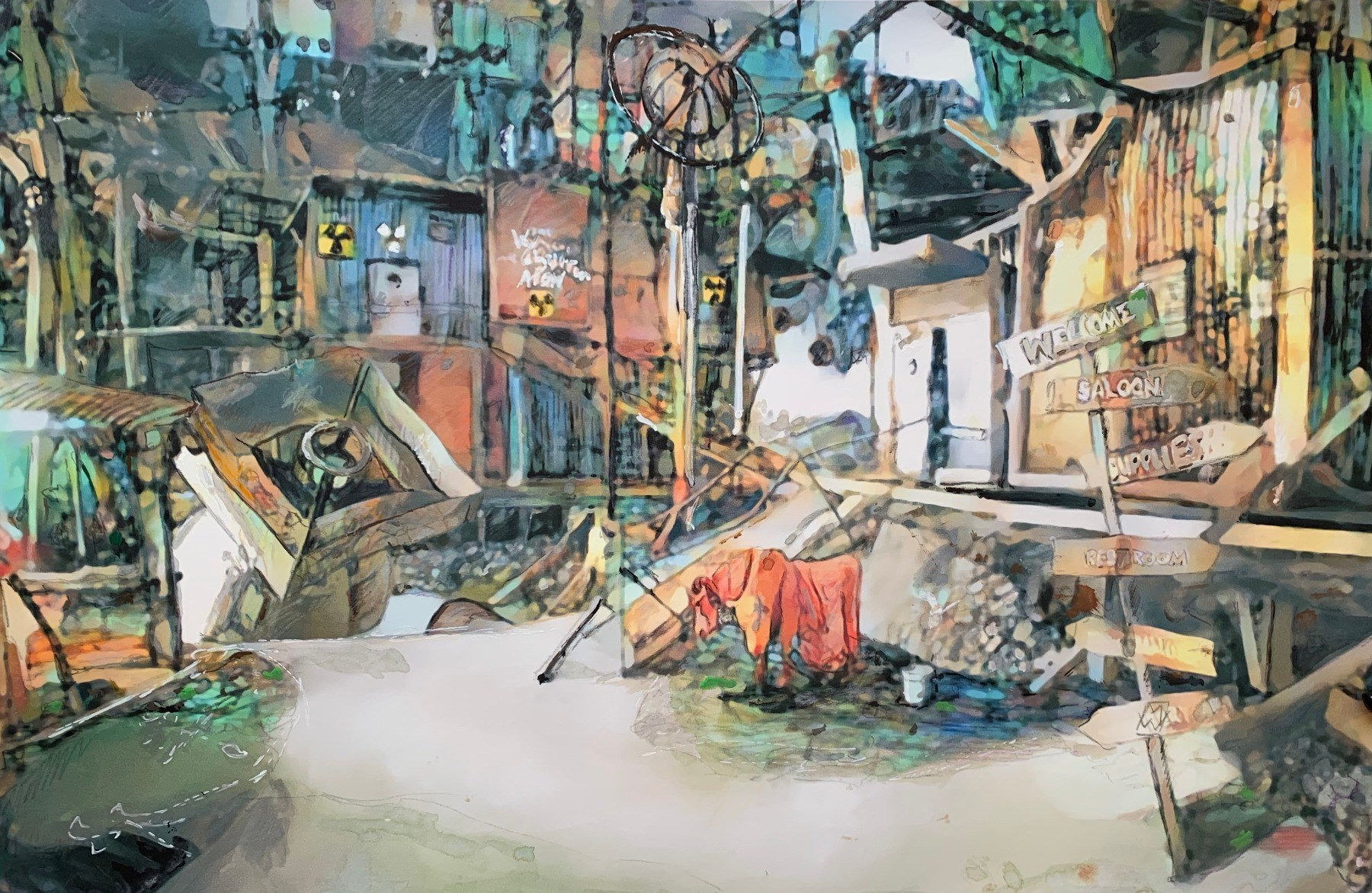
Fallout 3 does not open its world with a promise. It opens it with a wound. Bethesda trades the lush, vibrant nostalgia of fantasy worlds for the bleak, haunting desolation of the Capital Wasteland, and the first step out of Vault 101 is where that bargain lands. It is not a grand cutscene. It is a gut-punch, and it still works.
The door that was never supposed to open
Everything before that moment is built on enclosure. You have spent your entire life underground. The vault is cramped and imperfect, but it is the only safety you have ever known. Its walls are the edges of your world, and its routines are the only rhythm you understand.
Then the heavy steel gear of Vault 101 grinds open, and the game asks you to walk through it.
That sound matters. It is not the sound of an adventure beginning. It is the sound of something sealed for a lifetime being forced apart. The door is slow and mechanical, and it gives you a few seconds to understand that you cannot go back.
You are not leaving because you want to see the world. You are leaving because your father ran, and you are desperate to find him. That is the emotional engine of the whole game, and it starts here: a child stepping out of the only home they have ever had, not out of curiosity, but out of need.
Light that hurts
The first thing the Wasteland gives you is not a monster or a map marker. It is light. Blinding, sun-bleached light, the kind that makes you squint after a life spent under artificial ceilings.
It is a small touch, and it is brilliant. The world outside does not welcome you. It overwhelms you. Before you can see where you are, you have to adjust to the simple fact of open sky, and that discomfort becomes your first real feeling about this place.
When your eyes settle, the camera pans up and the horizon opens. In the distance stand the ruined, skeletal remains of the Washington Monument.
That image does more work than any line of dialogue could. A monument is meant to hold memory, to say that something lasted. Here it is stripped and broken, still standing but hollowed out. It tells you that the world your parents' generation trusted has already ended, and that whatever you find out there will be built from what was left behind.
Storytelling without a speech
What makes the moment land is restraint. It is less a scripted cinematic and more environmental storytelling. Nobody needs to explain the scale of what happened. The landscape explains it.
The emptiness is the message. Stretching ahead of you is a world that is vast, hostile and indifferent, and you are very small inside it. The sheer scale of isolation hits instantly. There is no one waiting at the door, no friendly voice telling you where to go first. There is just distance, ruin and the faint hope that somewhere inside all of it is the person you came to find.
That is why the scene feels personal rather than spectacular. Plenty of games open their worlds with a sweeping vista meant to impress you. Fallout 3 uses its vista to frighten you, and then to make you lonely. The view is beautiful in a terrible way, and the game trusts you to feel both of those things at once.
Why it still lingers
Fallout 3 is built around two ideas that pull against each other: a desperate search for family and the stark contrast between humanity and destruction. The vault exit is the first time both ideas sit in the same frame.
On one side is you, carrying a very human motive. You want your father back. It is the most ordinary wish there is.
On the other side is a ruined capital, a broken monument and a horizon that seems to stretch forever. The world has been destroyed on a scale too large to grasp, and you are walking into it carrying something as fragile as love for one person.
That contrast is where the game's emotional weight comes from, and it is also why so many of its later moral choices feel heavy. Once the game has shown you how much has already been lost, every decision about who to help, who to trust and what to sacrifice carries the memory of that first view. You have seen what destruction looks like. You know how little is left to protect.
The moment you leave Vault 101 is the moment Fallout 3 stops being a place and becomes a feeling. It is the fear of leaving home, the ache of looking for someone who left you, and the quiet shock of realizing that the world is far bigger and far more broken than you were told. Bethesda did not need a speech to make that hurt. It needed a door, a burst of light and a ruined monument on the horizon, and it got every one of them right.
Key takeaways
- Leaving Vault 101 is Fallout 3's emotional gut-punch, delivered without a grand cutscene
- Blinding light and the ruined Washington Monument tell the story through the environment
- The scene fuses the search for family with the scale of the world's destruction
- That first view gives weight to every moral choice the game asks of you later
How readers reacted
Admiring
- Admiring 29%
- Amused 26%
- Frustrated 10%
- Nostalgic 10%
- Sceptical 9%
- Sad 6%
- Reads
- 938
- Reddit threads
- 3
- Upvotes
- 325
- Upvoted
- 92%
- Comments read
- 31
From 31 Reddit comments on this story, each weighted by its upvotes. · November 22, 2026
#fallout 3#bethesda#vault 101#environmental storytelling#rpg
Gamer's Choice
Game of the Year
·
A Gamesdle reader poll. Not affiliated with The Game Awards, or with any publisher or studio.
Featured


Written by
Founder and editor, Gamesdle
Palash Bagchi founded Gamesdle, the daily games board, and edits Gamesdle News. He picks which stories run, checks every story against the original report and claims, before it goes live, and links the source, wherever applicable, on each one.
CoversDaily gamesWord gamesGames industryIndie games