

EditorialIndustry
Miami's $3.9 million Vice City deal needs a receipt, not a morals fight

Palash Bagchi
· 2 min read
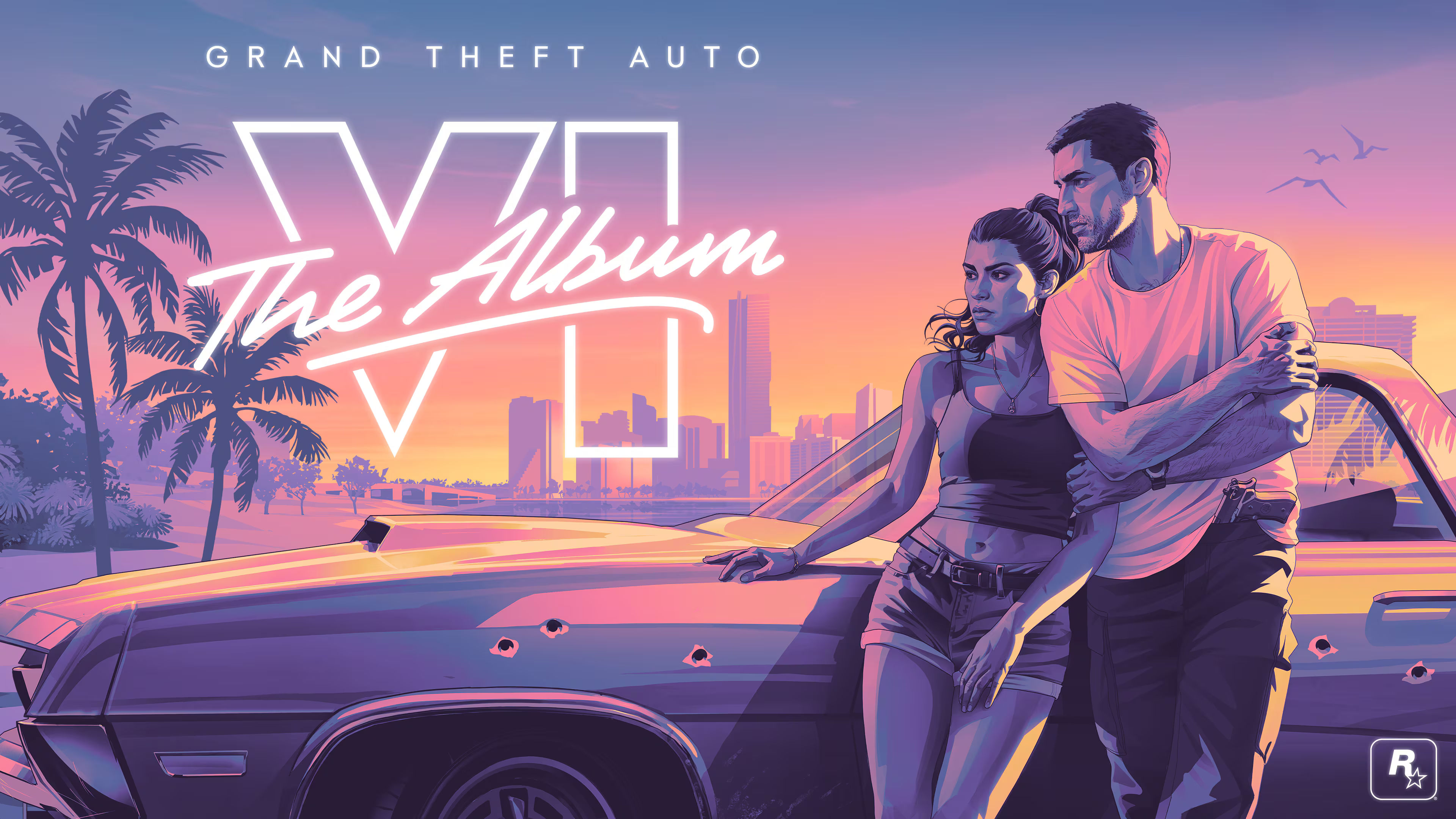
Miami-Dade County is spending $3.9 million in public money to help sell Grand Theft Auto 6, and the fight over that check is more revealing than the deal itself. A government is paying to promote a crime-soaked caricature of its own city. Whether that is smart marketing or self-parody depends on a number nobody has put on the table.
The deal puts public money behind a crime fantasy
This is not a studio renting a billboard; it is a government buying in. GTA 6 is set in Vice City, a fictionalized version of Miami. Miami-Dade struck a promotional deal with Rockstar Games to capitalize on that.
The deal includes massive displays on the Kaseya Center. It also puts the Miami Heat in black-and-pink "Vice City" jerseys.
That ties the county's money, its arena and its team to a franchise deeply associated with crime, drugs and violence. Several South Florida officials have said as much, criticizing the decision to spend public resources this way.
The critics have the stronger first argument
Officials questioning this deal are doing their job, not staging a moral panic. A private brand can partner with anyone it likes. Public money carries a heavier burden: it should serve residents, and the people spending it should be able to explain how.
Paying a game publisher to brand the city with its crime series is a hard thing to defend at a town hall. The discomfort is fair, and it should not be waved away as people who do not understand games.
The defenders have the stronger second argument
Vice City is going to be Miami's image whether the county pays or not. The game uses the city as its backdrop no matter what local government decides. Ignoring the biggest piece of pop culture set in your county does not make the association go away. It just means the county has no say in it and gets nothing from it.
There is also a double standard worth naming. Cities routinely embrace crime films and TV series set on their streets. Treating a video game as uniquely shameful says more about attitudes toward games than about Miami.
The missing number decides it
The real fight should be about return, not taste. $3.9 million is either a bargain or a waste depending on what comes back: visitors, spending, attention, jobs. Without that figure, both sides are arguing about vibes.
What the county should put on the record:
- What it expects the deal to return, in dollars or visitors
- How it will measure that return
- When it will report the results publicly
If the county can answer those, the critics are left with a matter of taste. If it cannot, the critics win by default.
Miami does not need to be ashamed of Vice City. It does need to show the receipt.
Key takeaways
- Miami-Dade is putting $3.9 million of public money behind GTA 6 promotion
- Critics are right that public spending on a crime franchise needs a clear justification
- Vice City will shape Miami's image whether or not the county pays
- The deal stands or falls on a measurable return the county has yet to show
#gta 6#rockstar games#miami#marketing#public spending#miami heat
Reference
This piece draws on pbs.org →
Gamer's Choice
Game of the Year
·
A Gamesdle reader poll. Not affiliated with The Game Awards, or with any publisher or studio.
Featured

Industry
GTA 6 lands eight Game Awards nods, but Jason's actor is left out
The nominations confirmed Manni L. Perez as Lucia with a Best Performance nod. Jason's still-unnamed actor got nothing, and GTA 6 fans noticed.
IGN · 2 h ago · 4 min read

Editorial · PC
Arthas and Stratholme are still Warcraft's most heartbreaking story
Palash Bagchi · 2 d ago · 3 min read
Editorial · Daily Games
Tired of Krillion? Krillion Space is the change of scenery
Palash Bagchi · 5 d ago · 2 min read
Written by
Founder and editor, Gamesdle
Palash Bagchi founded Gamesdle, the daily games board, and edits Gamesdle News. He picks which stories run, checks every story against the original report and claims, before it goes live, and links the source, wherever applicable, on each one.
CoversDaily gamesWord gamesGames industryIndie games