

EditorialConsole
Grand Theft Auto V's best moments are about broken friendship, not heists
#grand theft auto v#rockstar games#storytelling#endings#open world
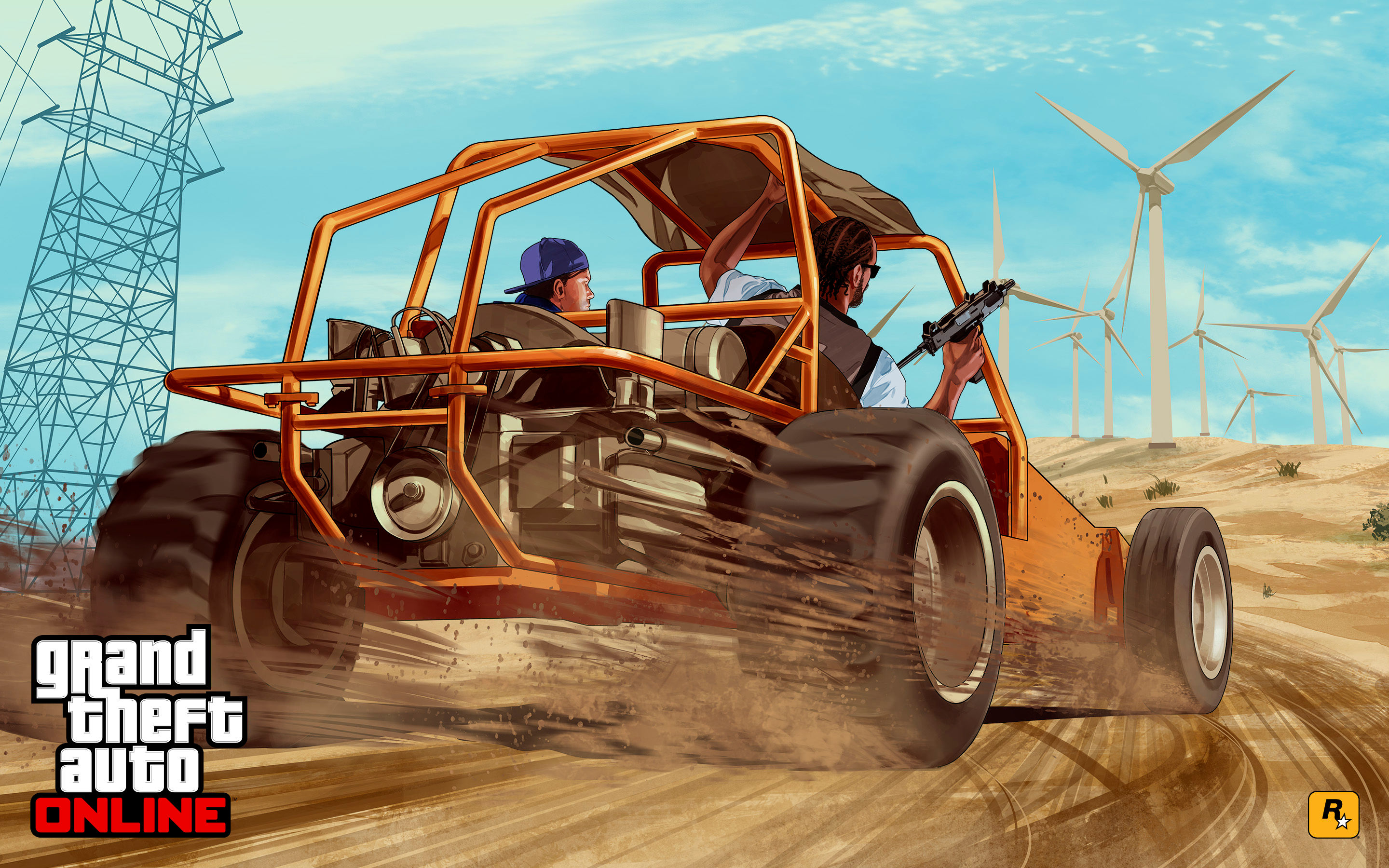
Grand Theft Auto V sells itself on heists, car chases and satire, but the scenes that stay with you are about friendship and betrayal. The game is at its most powerful when it stops being about money and becomes about a lie that Michael kept from Trevor for nine years, and about what that lie costs everyone around them.
A grave in the snow
The confrontation in North Yankton is where the whole story turns. Trevor finds out that Brad was buried in Michael's fake grave in Ludendorff, and in a snowy cemetery a betrayal that has been buried, literally, comes back up.
What makes the scene land is that Trevor's anger is not just anger. It is grief. Trevor has spent nine years believing one version of his life, and in a few minutes, standing among the headstones, he learns that his best friend built that version on a lie. The fury is real, but underneath it is something worse: the realization that the person he trusted most decided he did not deserve the truth.
The setting does half the work. Snow, silence and a cemetery are not subtle choices, but they do not need to be. The cold empties the frame of everything except two men and a grave that should never have held the body it held. Every joke, every rampage and every boast that came before suddenly looks like noise around this one wound.
It also reframes Michael. Up to that point it is easy to see him as a tired man trying to hold together a comfortable life. After the cemetery, that comfort has a price, and someone else paid it.
The ending where Trevor burns
If North Yankton is the wound, the "Option A" ending is the infection. When Franklin chooses to eliminate Trevor, Michael helps burn his former best friend alive.
This is not a heroic finale. It is brutal and ugly, and the game does not pretend otherwise. Two men who were once brothers in everything but blood end up with one of them killing the other in the cruelest way imaginable. Whatever Trevor was, and he was a lot of terrible things, the scene does not let the player feel clean about it.
What lingers is the remorse hanging over Michael and Franklin afterward. There is no victory lap. The mission ends as a grim tragedy, and that is exactly what it should be. A story that began with a betrayal in the snow closes, on this path, with a second and final betrayal. The lie Michael told nine years earlier does not just get exposed. It gets finished.
Players who pick this route often do it out of frustration with Trevor's chaos. The game answers that impulse by making it feel like a loss. That is a braver choice than handing out a satisfying payoff.
The sunset that feels earned
Then there is the "Option C" ending, Deathwish, where Franklin, Michael and Trevor band together to take out their enemies instead of turning on each other.
After a story filled with backstabbing, the final scene on the cliffside works as an emotional release. The three of them watch the sun go down together, and for once nobody is scheming. Nobody is lying. Nobody is reaching for a weapon.
It would be easy to call this the soft ending, the one for players who want everyone to get along. That misses the point. The sunset only works because of everything before it. The cemetery, the years of deceit and the constant threat that this crew would tear itself apart are what give that quiet moment its weight. The reconciliation is not handed to the player. It is earned by sitting through all the damage first.
It also says something about Franklin. In both endings, he is the one who decides what kind of story this becomes. In one, he chooses the cold arithmetic of getting rid of a problem. In the other, he chooses loyalty to two broken men who barely deserve it. The game puts that weight on the youngest member of the crew, and it does not tell him which choice is right.
Why it still matters
Grand Theft Auto V is remembered for its scale and its noise, but its heart is a small, painful story about two friends and one lie. North Yankton shows what that lie did. Option A shows how far it can go. Deathwish shows the only way out of it: three people deciding, after everything, to stand on the same side.
That is why these scenes hit harder than any heist. The money in this game is always temporary. The betrayal is the thing that lasts, and the sunset on the cliff is the rare moment when the game lets its characters, and the player, put it down.
Key takeaways
- GTA V's emotional core is Michael's nine-year lie to Trevor, not its heists
- The North Yankton cemetery scene turns betrayal into grief
- Option A plays as a grim tragedy, with remorse instead of victory
- The Deathwish sunset works because the story made the trio earn it
Featured


Written by
Founder and editor, Gamesdle
Palash Bagchi founded Gamesdle, the daily games board, and edits Gamesdle News. He picks which stories run, checks every story against the original report and claims, before it goes live, and links the source, wherever applicable, on each one.
CoversDaily gamesWord gamesGames industryIndie games